

Personalizing your IVF protocol improves success after a failed cycle by aligning stimulation strategies with your specific ovarian reserve, age, and previous response. Standardized approaches often ignore individual biological variables, leading to suboptimal outcomes. By adjusting medication dosages, trigger timing, and embryo transfer methods, clinicians can address the root causes of prior failure. This tailored approach maximizes the potential of each cycle, offering a clearer path to pregnancy for patients who have experienced unsuccessful treatments. For additional details, review the Patient Portal.
Understanding the Limits of Standardized Protocols
Standardized IVF protocols are designed for efficiency, but they often treat patients as if they share identical biological profiles. This one-size-fits-all approach can lead to over-stimulation in some patients and under-stimulation in others. When a cycle fails, the issue may not be the laboratory technique but the mismatch between the protocol and the patient's physiology. Recognizing this mismatch is the first step toward a more effective strategy.
For example, a patient with diminished ovarian reserve may not respond well to high-dose gonadotropins, resulting in fewer eggs retrieved than expected. Conversely, a patient with polycystic ovary syndrome (PCOS) may be at higher risk for ovarian hyperstimulation syndrome (OHSS) with standard protocols. Understanding these specific risks allows for a more precise treatment plan. Personalized IVF is a treatment strategy that tailors stimulation and transfer protocols to an individual's unique reproductive health profile.
The Role of Ovarian Reserve and Age
Age and ovarian reserve are the most significant predictors of IVF success, yet they are often treated as static variables in standard protocols. In reality, a patient's ovarian response can change from cycle to cycle. By closely monitoring hormone levels and ultrasound findings, clinicians can adjust medication dosages in real time. This dynamic adjustment helps ensure that the ovaries are stimulated appropriately without causing excessive side effects.
Consider a 38-year-old patient with a low Anti-Mullerian Hormone (AMH) level. A standard high-dose protocol might yield only two or three eggs, which may not be enough for a successful transfer. A personalized approach might involve a different stimulation regimen, such as a mild or natural cycle protocol, which can sometimes yield higher quality eggs in patients with low reserve. This adjustment shifts the focus from quantity to quality, potentially improving the chances of a viable embryo.
Adjusting for Previous Cycle Failures
When a previous IVF cycle fails, it is crucial to analyze why it failed before repeating the same protocol. Did the cycle result in no fertilization, poor embryo development, or implantation failure? Each of these outcomes points to different underlying issues that require different protocol adjustments. For instance, if fertilization failed, the issue may lie with sperm quality or the fertilization technique used.
In cases of poor embryo development, the focus may shift to optimizing the culture environment or adjusting the timing of the embryo transfer. If implantation failed, the protocol might be adjusted to improve endometrial receptivity. Protocol customization is the process of modifying IVF stimulation and transfer steps based on the specific reasons for a previous cycle's failure. By addressing the specific point of failure, clinicians can increase the likelihood of success in subsequent cycles.
The Benefits of Minimal Stimulation Approaches
Minimal stimulation protocols can also reduce the physical and emotional burden of treatment, as they typically require fewer injections and less monitoring. This can make the process more manageable for patients who have been through multiple cycles. At Life IVF Center, clinicians evaluate whether a minimal stimulation approach is appropriate based on the patient's specific history and current health status. This ensures that the treatment plan is both effective and sustainable for the patient.
Integrating Advanced Technologies for Personalization
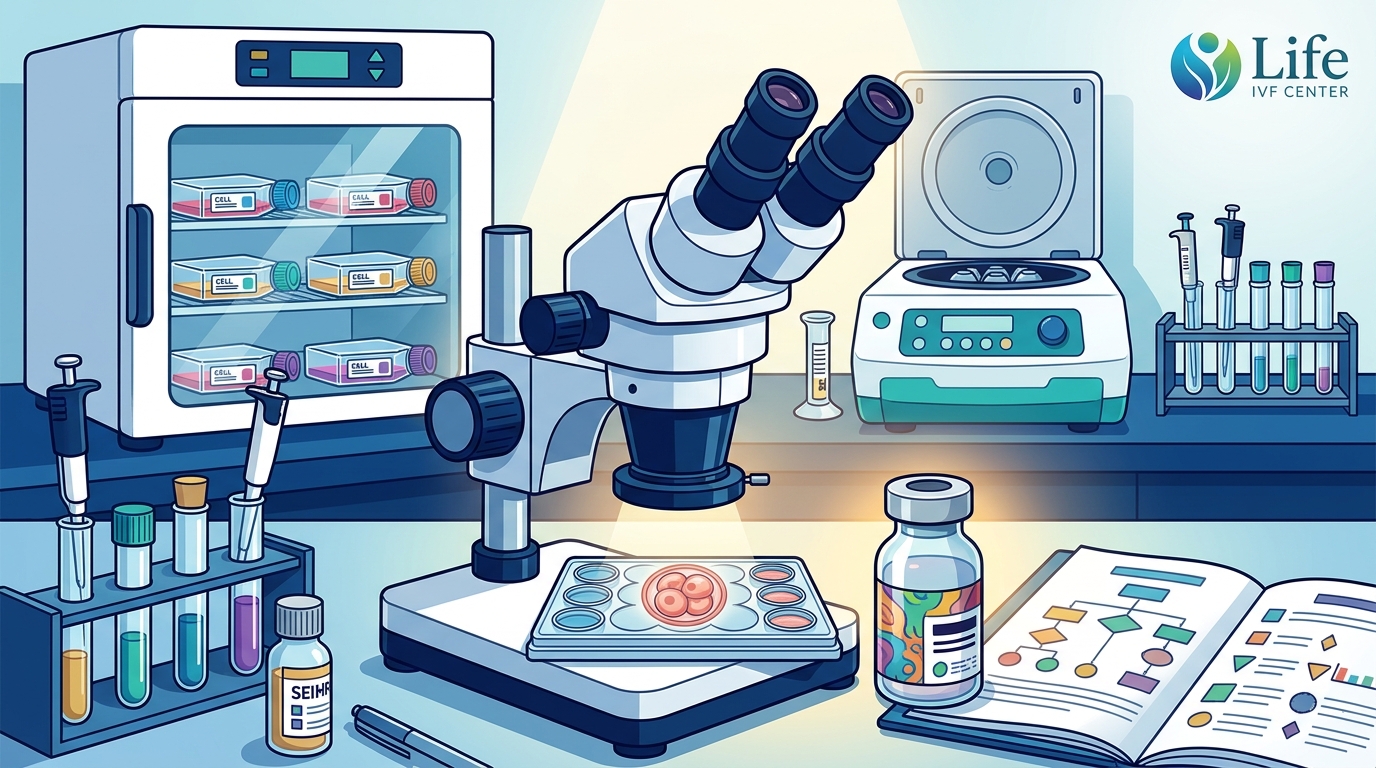
Personalized IVF is not just about adjusting medication dosages; it also involves leveraging advanced reproductive technologies to optimize every step of the process. Preimplantation Genetic Testing (PGT) can help identify chromosomally normal embryos, increasing the chances of a successful transfer. Additionally, time-lapse imaging can provide insights into embryo development that are not visible with standard microscopy. These technologies allow for a more precise selection of the best embryo for transfer.
For patients who have experienced repeated implantation failure, PGT can be a game-changer. By transferring only chromosomally normal embryos, clinicians can avoid the frustration of transferring an embryo that is unlikely to result in a pregnancy. This targeted approach reduces the number of cycles needed and can provide patients with a clearer path to parenthood. The integration of these technologies into a personalized protocol ensures that every aspect of the treatment is optimized for the individual patient.
Key Takeaways
- Standardized IVF protocols may not account for individual biological differences, leading to suboptimal outcomes.
- Personalized IVF tailors stimulation and transfer protocols to a patient's specific ovarian reserve, age, and medical history.
- Analyzing the specific reason for a previous cycle's failure is essential for designing an effective new protocol.
- Minimal stimulation approaches can be beneficial for patients with low ovarian reserve or a history of poor response to high-dose hormones.
- Advanced technologies like PGT and time-lapse imaging can enhance the precision of personalized IVF protocols.
- Consulting with a fertility specialist who offers individualized care can help identify the best strategy for your unique situation.
Frequently Asked Questions
What is personalized IVF?
Personalized IVF is a treatment approach that customizes stimulation protocols, medication dosages, and transfer timing based on an individual's specific reproductive health profile and previous treatment history.
Why did my previous IVF cycle fail?
IVF cycles can fail for various reasons, including poor egg quality, fertilization issues, embryo development problems, or implantation failure. A detailed analysis of the previous cycle can help identify the specific cause.
Is minimal stimulation IVF safer than standard IVF?
Minimal stimulation IVF generally involves lower doses of medication, which can reduce the risk of side effects like ovarian hyperstimulation syndrome. However, the safety and effectiveness of any protocol depend on the individual patient's health and medical history.
How many cycles does it take to see results with personalized IVF?
The number of cycles needed varies by individual. Some patients may achieve pregnancy in a single cycle, while others may require multiple cycles. A personalized approach aims to optimize each cycle to increase the chances of success.
Can I switch protocols after a failed cycle?
Yes, switching protocols is a common strategy after a failed IVF cycle. Clinicians may adjust the stimulation regimen, trigger method, or transfer timing based on the outcomes of the previous cycle.
Where can I get a second opinion on my IVF protocol?
You can consult with a fertility specialist at a reputable clinic like Life IVF Center to discuss your previous treatment history and explore personalized options for your next cycle.