
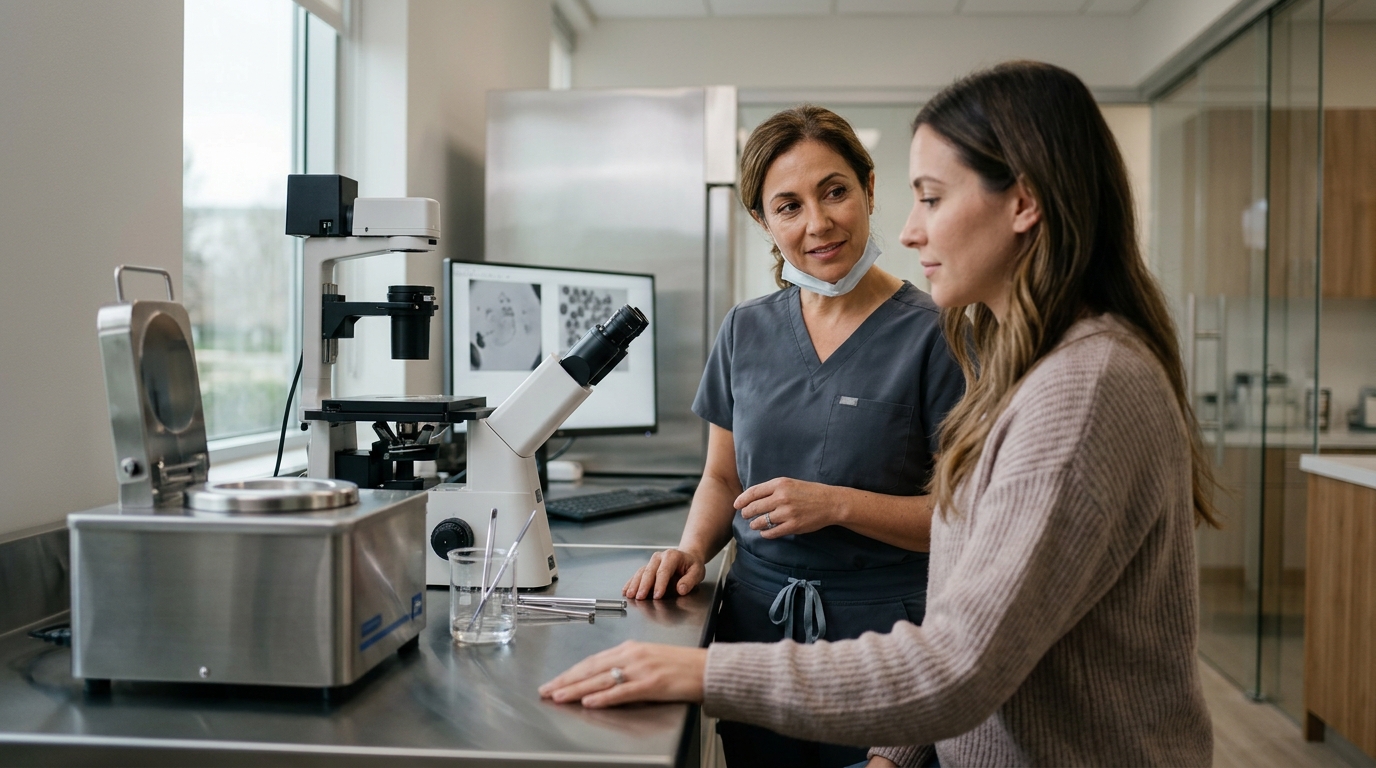
Oocyte cryopreservation, or egg freezing, has evolved significantly over the last decade, shifting from a risky experimental procedure to a reliable method for fertility preservation. Recent advances in vitrification techniques and genetic screening have dramatically improved the survival rates of frozen eggs and the likelihood of successful pregnancies. At Life IVF Center, we utilize these modern protocols to help individuals and couples protect their future reproductive options with greater confidence and precision. For additional details, review the lifeivfcenter com.
The Shift to Vitrification
Traditional slow-freezing methods often resulted in ice crystal formation, which could damage the cellular structure of the egg. Vitrification is a rapid-freezing technique that cools eggs at an ultra-fast rate, turning them into a glass-like state without forming damaging ice crystals. This method has become the global standard because it significantly reduces the risk of cellular damage during the freezing and thawing process. By minimizing physical stress on the oocyte, vitrification ensures that a higher percentage of eggs remain viable when needed for fertilization years later. For additional details, review the .
The transition to vitrification has been a cornerstone of modern fertility preservation. Studies indicate that vitrification yields higher survival rates compared to older slow-freezing methods. For patients at Life IVF Center, this means that the eggs frozen today are more likely to survive the thawing process, providing a stronger foundation for future family building. For additional details, review the Customer Experience.
Genetic Screening and Embryo Viability
While egg freezing focuses on the oocyte, the ultimate goal is a healthy pregnancy. Advances in preimplantation genetic testing (PGT) allow clinicians to assess the genetic health of embryos created from frozen eggs. PGT is a laboratory technique that screens embryos for chromosomal abnormalities before transfer. By identifying euploid, or genetically normal, embryos, doctors can select the most viable candidates for transfer, thereby improving implantation rates and reducing the risk of miscarriage. For additional details, review the Frequently Asked Questions.
This integration of genetic screening with cryopreservation technology provides a clearer picture of success rates. Patients can make informed decisions based on the genetic quality of their frozen embryos. At Life IVF Center, we discuss the role of PGT in treatment planning to ensure patients understand how these technologies work together to optimize outcomes.
Impact on Success Rates by Age
Age remains the most significant factor influencing egg quality and quantity. However, technological advances have helped mitigate some of the age-related declines in fertility. For women in their early to mid-30s, freezing a sufficient number of eggs can provide a high probability of a live birth if those eggs are used within a few years. The success of egg freezing is closely tied to the number of eggs retrieved and their subsequent developmental potential.
Understanding these age-related dynamics is crucial for setting realistic expectations. While technology cannot reverse the natural decline in ovarian reserve, it can preserve the quality of eggs at a specific point in time. Patients consulting with Life IVF Center receive personalized guidance on how many eggs are typically needed to achieve a high cumulative success rate based on their individual age and ovarian reserve.
Personalized Stimulation Protocols
Not all patients respond to ovarian stimulation in the same way. Modern fertility clinics use personalized protocols to optimize egg retrieval. These protocols may involve different medication regimens, such as antagonist or long-agonist protocols, tailored to the patient's hormonal profile and ovarian reserve. The goal is to retrieve the maximum number of mature eggs while minimizing side effects and discomfort.
Personalization is a key component of the Precision IVF approach used at Life IVF Center. By tailoring the stimulation process to each patient's unique physiology, we aim to improve the yield of high-quality eggs. This individualized care ensures that the egg freezing process is as effective and comfortable as possible for every patient.
Key Takeaways
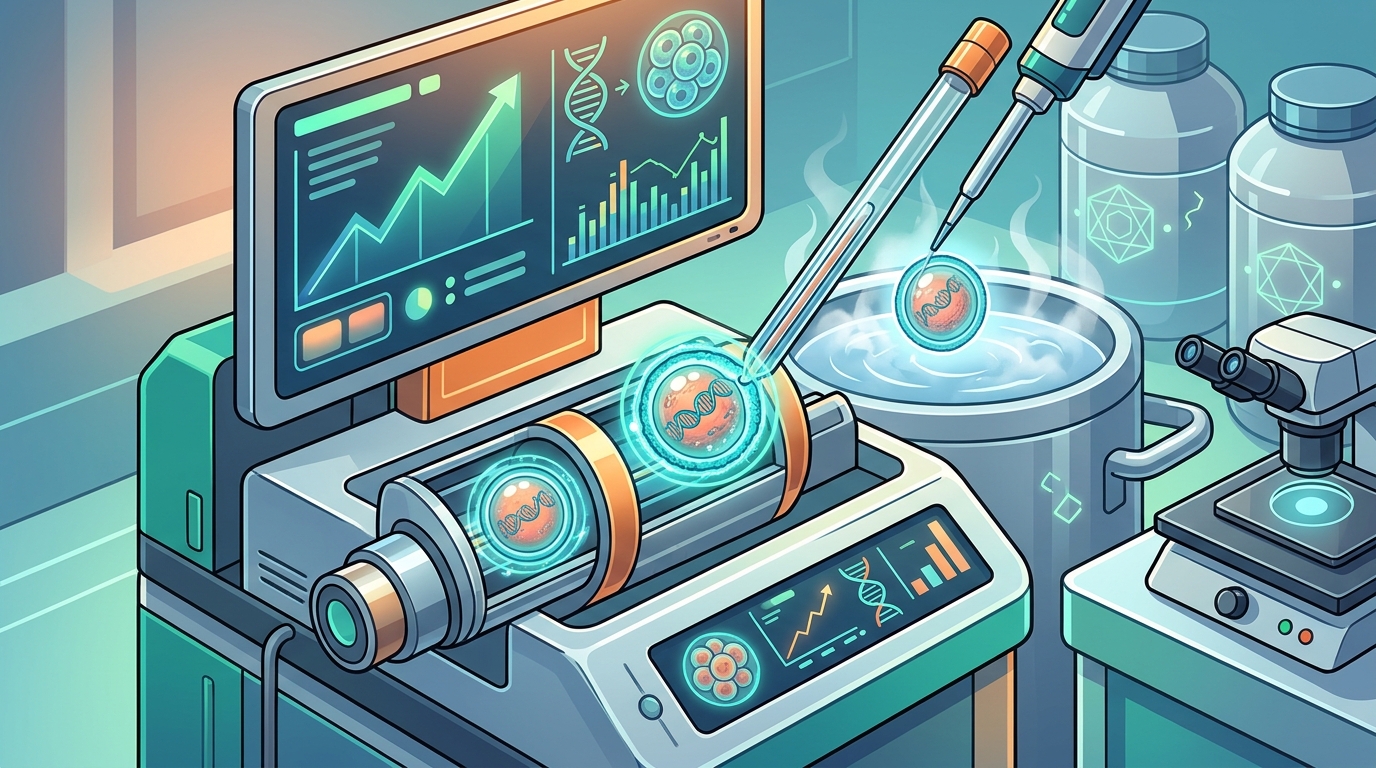
- Vitrification is the current standard for egg freezing, offering higher survival rates than older slow-freezing methods.
- Preimplantation genetic testing (PGT) enhances success rates by allowing the selection of genetically normal embryos.
- Age is the primary determinant of egg quality, but technology helps preserve viability at the time of freezing.
- Personalized stimulation protocols are essential for optimizing egg retrieval and minimizing side effects.
- Success rates vary by individual, but modern techniques have made fertility preservation more reliable and accessible.
- Consulting with a specialized fertility clinic ensures that treatment plans are tailored to individual needs and goals.
Frequently Asked Questions
How does vitrification improve egg freezing success?
Vitrification prevents ice crystal formation by rapidly cooling eggs into a glass-like state. This reduces cellular damage, leading to higher survival rates during thawing compared to traditional slow-freezing methods.
What is among the role of genetic testing in egg freezing?
Genetic testing, such as PGT, screens embryos created from frozen eggs for chromosomal abnormalities. This allows for the selection of the most viable embryos, improving implantation rates and reducing miscarriage risk.
Does egg freezing guarantee a future pregnancy?
No, egg freezing does not guarantee a pregnancy. Success rates depend on factors like age at the time of freezing, the number of eggs frozen, and their quality. However, modern technology has significantly improved the likelihood of success.
How many eggs should I freeze?
The recommended number of eggs varies by age and ovarian reserve. Generally, freezing a higher number of eggs increases the cumulative probability of a live birth. A fertility specialist can provide personalized estimates based on your specific health profile.
Is egg freezing suitable for everyone?
Egg freezing is suitable for individuals who wish to preserve fertility for future use, whether for medical reasons or personal choice. Eligibility and expected outcomes depend on individual health factors, which are evaluated during a comprehensive fertility assessment.
Conclusion
The landscape of egg freezing technology continues to evolve, offering more reliable and effective options for fertility preservation. Advances in vitrification and genetic screening have improved success rates, making it a viable option for many individuals. At Life IVF Center, we are committed to providing personalized, evidence-based care to help you navigate your fertility journey with confidence. To discuss your options, today.