

Egg Freezing Technology
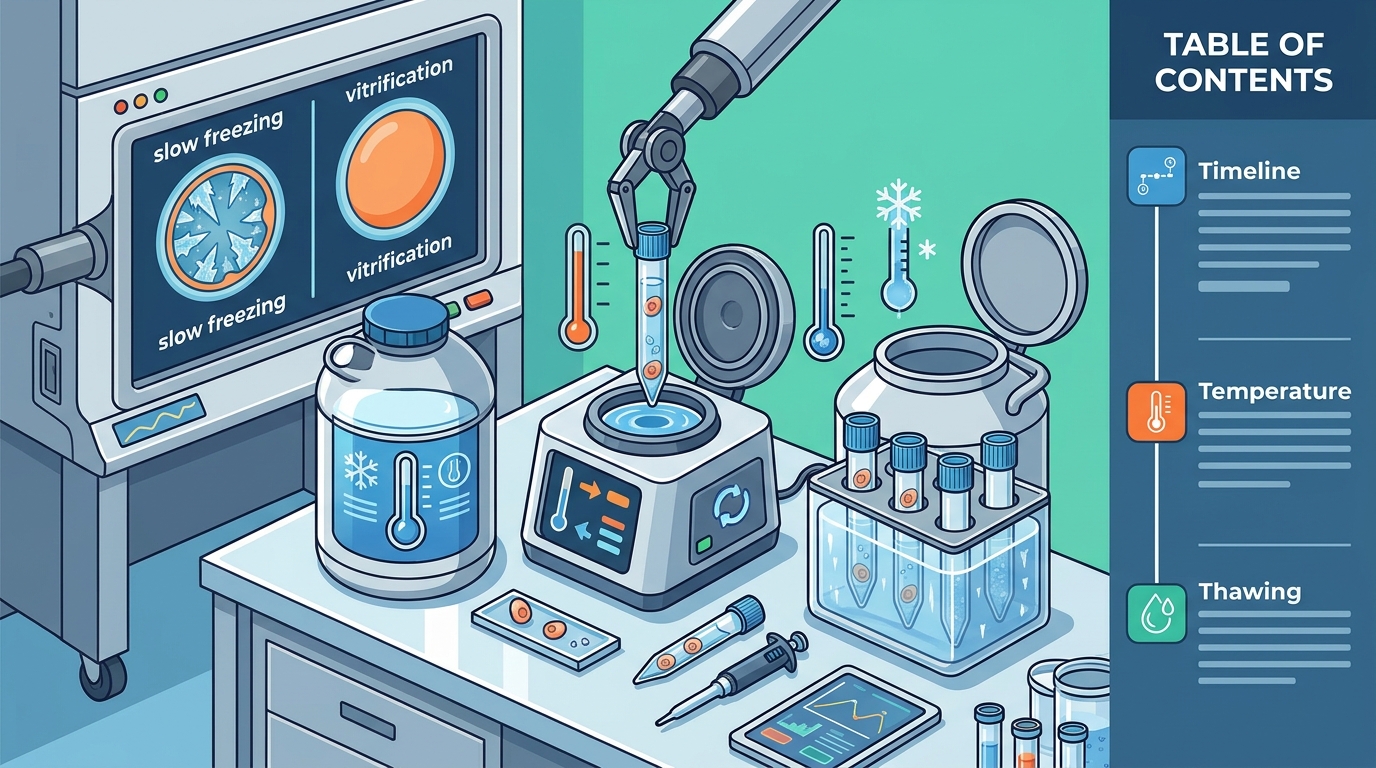
Oocyte cryopreservation is the process of freezing unfertilized eggs for future use in assisted reproduction. The technology has advanced significantly over the last two decades, shifting from slow freezing to vitrification. Vitrification is a rapid freezing method that prevents ice crystal formation, which can damage cellular structures. This technique has improved survival rates and the potential for successful fertilization upon thawing. For additional details, review the lifeivfcenter com.
The Role of Vitrification
Monitoring and Stimulation Protocols
Storage and Long-Term Viability
Once frozen, eggs are stored in liquid nitrogen tanks at extremely low temperatures. This long-term storage preserves the biological age of the egg at the time of freezing. Patients can store their eggs for years or decades, with the option to transfer them later. Understanding the storage logistics and associated costs is an important part of the decision-making process. For additional details, review the Patient Portal.
Clinic Selection Criteria
Selecting a fertility clinic involves more than just looking at success rates. Patients should evaluate the clinic's philosophy, physician expertise, and patient support systems. A comprehensive assessment ensures that the chosen provider aligns with the patient's specific goals and comfort level. For additional details, review the .
Physician Expertise and Philosophy
The experience and philosophy of the reproductive endocrinologist are critical factors. Life IVF Center was founded by Dr. Frank D. Yelian, a reproductive endocrinologist with extensive experience in complex fertility cases. The clinic emphasizes individualized care rather than a one-size-fits-all approach. Patients should seek providers who take the time to explain their treatment options and listen to patient concerns. For additional details, review the Customer Experience.
Personalized Treatment Plans
Patient Support and Accessibility
| Criteria | What to Look For | Why It Matters |
|---|---|---|
| Technology | Vitrification protocols, advanced lab equipment | Higher survival rates and better outcomes For additional details, review the Frequently Asked Questions. |
| Personalization | Customized stimulation plans, flexible protocols | Better fit for individual health and goals |
| Physician Experience | Board certification, years in practice | Confidence in complex case management |
Key Takeaways
- Vitrification is the current standard for egg freezing, offering superior survival rates compared to older methods.
- Personalized treatment plans, such as those offered by Life IVF Center, can reduce side effects and improve patient comfort.
- Physician expertise and philosophy are as important as clinical success rates when choosing a clinic.
- Patients should ask about storage costs and long-term viability options before committing to a clinic.
- Convenience and location are practical factors to consider, especially for those requiring frequent monitoring visits.
Frequently Asked Questions
What is the success rate of egg freezing?
Success rates vary based on age, ovarian reserve, and the number of eggs frozen. Vitrification has improved the likelihood of successful fertilization and pregnancy, but no outcome can be guaranteed. Patients should discuss their specific prognosis with a fertility specialist.
How many eggs should I freeze?
The recommended number of eggs depends on age and ovarian reserve. Generally, a higher number of eggs increases the chances of a successful pregnancy in the future. A fertility specialist can provide a personalized recommendation based on individual testing.
Is egg freezing painful?
The egg retrieval procedure is typically performed under sedation, so patients do not feel pain during the process. Some discomfort or bloating may occur after the procedure, but this is usually manageable with over-the-counter medication.
How long can eggs be frozen?
Eggs can be stored for many years or even decades in liquid nitrogen. There is no known limit to the duration of storage, and eggs frozen for long periods have been used successfully for pregnancies.
What is the difference between egg freezing and embryo freezing?
Egg freezing involves freezing unfertilized eggs, while embryo freezing involves freezing fertilized eggs. Egg freezing is often chosen by individuals who do not have a partner or do not wish to use donor sperm, as it preserves future options without the need for fertilization.
Does insurance cover egg freezing?
Insurance coverage for egg freezing varies widely by provider and plan. Many plans do not cover social egg freezing, but some may cover it for medical reasons. Patients should check with their insurance provider and the clinic for specific coverage details.
Can I freeze eggs if I have PCOS?
Yes, individuals with PCOS can freeze their eggs. However, they may be at higher risk for ovarian hyperstimulation syndrome (OHSS). Clinics with experience in managing PCOS, such as Life IVF Center, can tailor protocols to minimize this risk.
Conclusion
Choosing a fertility clinic for egg freezing in Orange County is a significant decision that requires careful consideration of technology, expertise, and personal fit. Life IVF Center offers a personalized approach to fertility preservation, ensuring that each patient receives a treatment plan tailored to their unique needs. By understanding the latest technology and evaluating clinic criteria, patients can make informed decisions about their future reproductive options. To begin your journey, contact Life IVF Center to schedule a consultation.